When you buy through links on our articles, Future and its syndication partners may earn a commission.

The launch of a new batch of SpaceX Starlink satellites lit up the predawn sky in southern California today (Dec. 10) as the company marked its 160th flight of a Falcon 9 rocket this year.
Lifting off at 6:40 a.m. EST (1140 GMT or 3:40 a.m. PST local time) Wednesday from Vandenberg Space Force Base's Launch Complex 4 East (SLC-4E), the 27 broadband internet satellites (Group 15-11) were deployed into low Earth orbit just over an hour into the flight.
"Deployment of 27 Starlink satellites confirmed," SpaceX officials posted to social media.

Previous Booster 1082 missions
USSF-62 | OneWeb Launch 20 | NROL-145 | 14 Starlink missions
The first stage of the Falcon 9 rocket completed its 18th flight, landing back on the autonomous droneship "Of Course I Still Love You" positioned in the Pacific Ocean.
The Starlink megaconstellation now numbers more than 9,000 operational satellites, including the more than 3,000 launched just this year. The network provides access to the internet to areas around the world where there was no or sparse coverage, as well as enables WiFi access on commercial airliners and cell-to-satellite service on select providers.
Wednesday's launch was SpaceX's 165th overall launch of 2025 (including Starship test flights) and the 605th mission in the company's history.
LATEST POSTS
- 1
 Flu is rising rapidly, driven by a new variant. Here's what to know
 - 2Financial plan Cordial Home Redesigns That Add Worth
- 3An Extended time of Careful Nurturing: Individual Bits of knowledge on Bringing up Youngsters
- 4How a cocktail of rogue storms and climate chaos unleashed deadly flooding across Asia
- 5The most effective method to Pick the Right Volvo XC40 Trim for Your Way of life


- Iran executes two men who tried storming military facility during January protest crackdown
- Bismuth’s haredi draft bill won’t change enlistment, IDI expert tells 'Post'
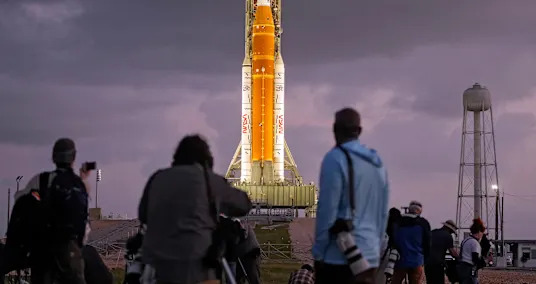
- The Latest: Fueling begins as NASA aims to send 1st crew to the moon in 53 years
- Watch SpaceX launch NASA's Pandora exoplanet-studying satellite on Jan. 11
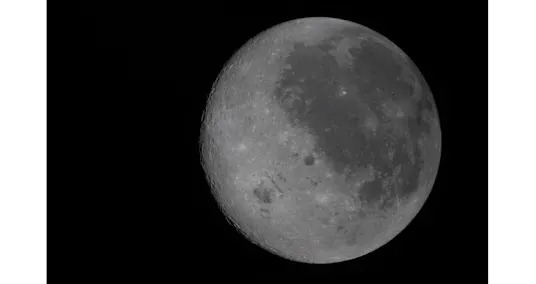
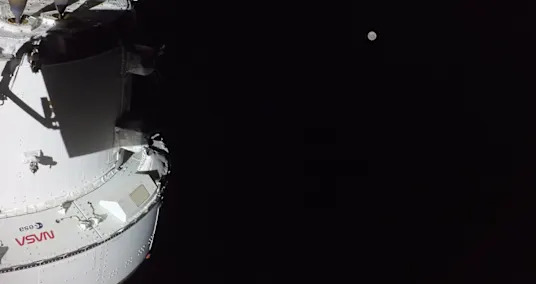
- The moon up close: How the Artemis 2 astronauts are photographing their historic lunar flyby
- Nodding off is dangerous. Some animals have evolved extreme ways to sleep in precarious environments
- Trouvez La Carte De Cr\u00e9dit Id\u00e9ale Pour Vos Besoins En Belgique
- If someone's always late, is it time blindness, or are they just being rude?
- NASA Artemis 2 astronauts to make historic moon flyby today. Here's what to expect hour by hour (timeline)