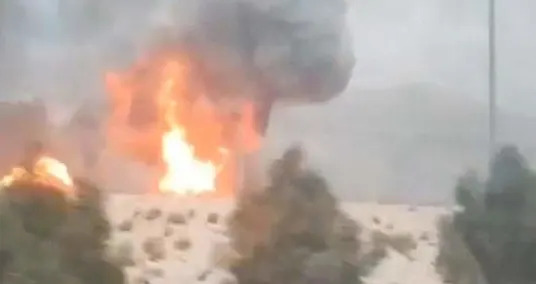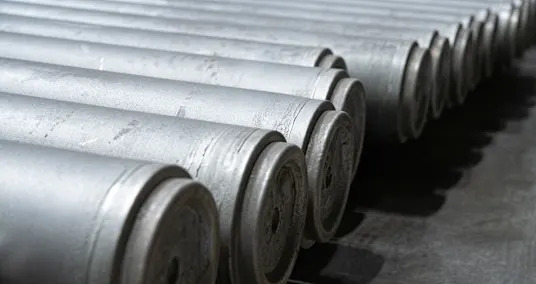
Fears of global aluminium shortages that could affect the production of clean energy technologies intensified after Iran struck two major Gulf aluminium producers, sending prices to a four-year high. The Middle East accounts for 9% of the world’s production of aluminum, which is essential to a wide range of industries from transportation, construction, and packaging, as well as the manufacture of solar panels, electrical transmission systems, wind turbines, and EVs.
Export shipments to the US and Europe had already come to a halt because of the effective closure of the Strait of Hormuz, and Morgan Stanley economists singled out aluminium as carrying a high level of risk across the value chain. Andy Farida, an aluminium analyst at Fastmarkets, told Semafor that high prices would be passed on to end-users, ultimately causing demand destruction. “A prolonged shutdown (with little to no alternative supplies other than Russia and China) could cripple the supply of aluminium to support the production of clean and green technology,” he said, adding that relief could come “if governments allow some sanctioned Russian and Chinese aluminium to be imported.”

LATEST POSTS
- 1
 Home Machine Basics: An Exhaustive Purchasing Guide
 - 2Favored Organic product for Seniors' Prosperity: Make Your Determination
- 3French lawmakers narrowly approve health care budget, suspending Macron's flagship pension reform
- 4Rebecca Gayheart on her 'very complicated' relationship with Eric Dane: 'I am always going to want the best for him'
- 5Some super-smart dogs can pick up new words just by eavesdropping


- The most effective method to Engage in Local area Making arrangements for 5G Pinnacle Establishments
- Step by step instructions to Remain Spurred While Chasing after a Web-based Degree
- Europe pledges over €15bn for clean energy for Africa
- MacArthur Foundation awards $100M to outbreak surveillance network, a boost amid global health cuts
- Photos: Presidential turkey pardons — a look back
- Step by step instructions to Pick A Keep money with High Fixed Store Loan costs
- IDF struck Iran's largest petrochemical plant, second facility hit in two days, Katz confirms
- Everything to know about NASA's moon mission launching this week
- Doctor's orders? ‘Belly laugh at least two to five days a week'